A Dolls Embrace; A Toy's Adventure. Join us in Gifting Joy!
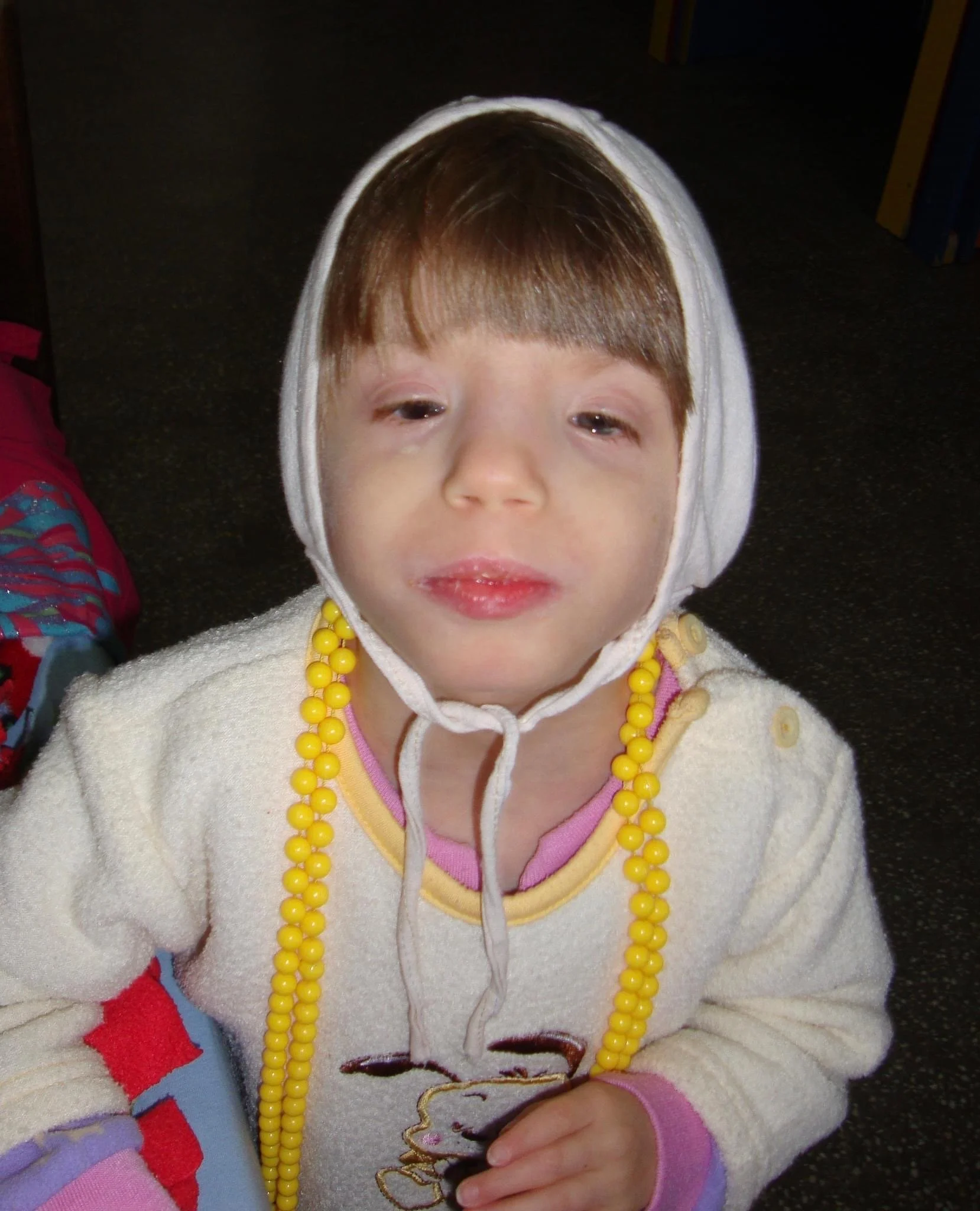
Did you know that dolls are amongst the most important toys a child can have to help them learn? We take it for granted that children know what to do with a doll or a toy. That they have the experience of cuddling a baby doll or playing pretend with it. But what if you never had a doll? A few years ago, we took dolls to the local orphanage for children with disabilities. The children were scared and had no idea what to do with the dolls. But pretty soon they were cuddling the dolls, pretending the dolls could talk, and interacting in a new way.
We were saddened to think the kids didn't have the bonding experience, even though they knew how to hold a doll or play with Barbies. We realized that at our own Delia's Center for Special Needs Kids in rural Vaslui County, Romania, we have placed a lot of emphasis on providing our kids with sensory and learning toys for play and speech therapy. But the children also need dolls and typical early childhood toys.
The children we serve have intellectual, physical, and developmental disabilities, including autism. One of the teens at the center, named Gabi, loves dolls, and for many years we have always brought her one as a gift. Gabi is intellectually disabled, and she doesn't have friends outside of our learning center. The dolls provide her with someone to confide in, bond with, and develop social skills. Her vocabulary improved, and she learned to expand her language skills once she began playing with dolls. Our kids are primarily orphans in foster care, and many have been abandoned or removed from their parental homes due to neglect. For children with this background, dolls can serve as attachment figures, providing comfort and security.
Toys can promote a sense of inclusion and serve as bridges, encouraging children to interact with their peers; this is crucial for developing essential social skills such as turn-taking, empathy, and cooperation.
Here in rural Romania, children in foster care, especially those with disabilities, are often marginalized and not included in typical childhood activities. Many don't attend school as there are no special education teachers or other resources here in the most impoverished region of the country, and one of the poorest in the E.U.